
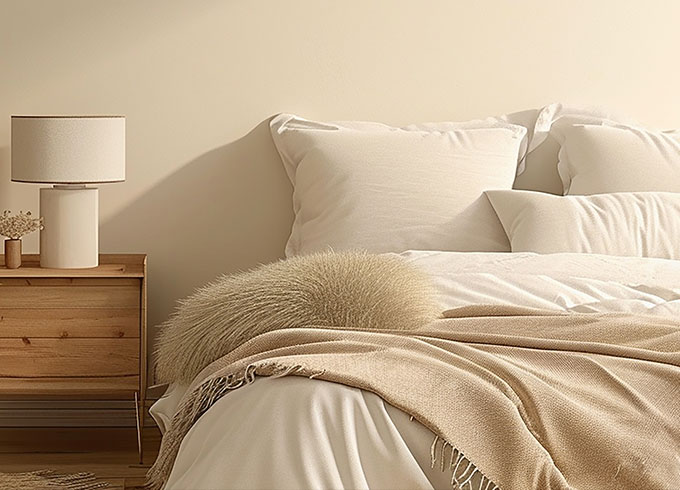
The Best Bedding – How to Choose the Right One?
Do You Ever Wonder How Bedding Affects the Quality of Your Sleep?
We don’t often think about it, but the bedding we sleep on has a much greater impact on our well-being than we might realize.
Choosing the best bedding is an important investment in your health and comfort. When purchasing bedding, consider the material, thread count, size, style, and ecological impact to ensure comfort, durability, and aesthetic appeal in your bedroom. Whether you’re looking for soft cotton sheets, luxurious silk covers, or sustainable linen bedding, the right choice is key to better sleep and a pleasant sleeping environment.
In this article, we’ll walk you through the key factors to consider when choosing bedding. You’ll learn how the right material, thread count, style, and size can ensure comfort, durability, and a beautiful look for your bedroom. By the end, you’ll have all the necessary information to choose bedding that meets all your needs and provides excellent sleep.
Understanding Bedding Materials
When choosing bedding, material is crucial to ensuring comfort and durability. Each material offers different benefits tailored to specific needs and preferences. Here’s a brief overview of some of the most popular bedding materials:
Cotton
Cotton is by far the most popular bedding material – and for good reason. Its main advantages are breathability, softness, and easy maintenance. Cotton bedding is naturally breathable, allowing good airflow and helping regulate a comfortable sleeping temperature. Additionally, it feels soft to the touch, providing all-night comfort.
Microfiber
Microfibers are synthetic materials growing in popularity due to their stain resistance, durability, and ease of care. These are ultra-fine fibers woven into a dense fabric that creates an exceptionally soft and smooth surface. Microfiber is especially recommended for allergy and asthma sufferers. At Odeja, we have developed a special bedding collection from these materials specifically for them. The Micro Protect collection of duvet and pillow covers is made from special microfibers that inhibit dust mite development and support frequent high-temperature washing.
Eco-Friendly Materials
Eco-friendly bedding materials are becoming increasingly popular, with organic cotton leading the trend.
-
Organic cotton: Grown without harmful pesticides or chemicals, making it kinder to both the environment and your skin. It offers the same breathability and softness as regular cotton but with the added benefit of ecological responsibility.
Choosing the right material for your bedding depends on your personal preferences, climate, and specific needs such as allergies or skin sensitivity. Understanding these features will help you find the perfect bedding for comfortable, high-quality sleep.
Firmness and Comfort
When choosing bedding, it’s important to understand what affects comfort. The firmness or softness of the material, the thread count, and the fabric treatment are the main factors influencing how comfortable you feel while sleeping. It’s also important to consider your personal preferences, as comfort can vary greatly between individuals.
What Affects Comfort?
Thread Count (Density):
Thread count is one of the key indicators of bedding comfort. It refers to the number of threads per square inch of fabric (e.g., 200 TC – “thread count”). A higher thread count usually means a denser, softer, and more durable fabric. These fabrics are often smoother to the touch and provide a more luxurious sleeping experience.
Fabric Treatment:
The way a fabric is treated also affects comfort. Textiles treated with softeners will feel smoother, but some chemical treatments can irritate sensitive skin. It’s important to check whether natural or eco-friendly processes were used.
Thickness and Firmness:
The thickness of the fabric affects the feel and insulation the bedding provides. Lightweight percale is more breathable and suitable for summer, while heavier fabrics like flannel or tightly woven microfiber are better for colder months, offering extra warmth and softness.
Personal Preferences
Allergies and Sensitivities:
If you suffer from allergies or have sensitive skin, it’s recommended to choose hypoallergenic materials like organic cotton or silk. These are naturally resistant to dust mites and allergens and are gentle on the skin. People with allergies will feel more comfortable in bedding that’s free from harsh chemicals or synthetic irritants.
Sleeping Temperature:
Some people tend to overheat while sleeping, while others feel cold easily. It’s important to choose bedding that suits your body temperature:
-
For cold sleepers: Flannel and thicker microfiber offer more warmth and softness – ideal for chilly nights.
-
For hot sleepers: Silk and percale are more breathable and cool to the touch, promoting airflow and helping to prevent overheating.
Desired Firmness or Softness:
Some prefer soft, enveloping bedding, while others opt for firmer fabrics that provide more support. Consider how you feel while sleeping and choose a material that matches your comfort needs:
-
Soft and cozy: Sateen or flannel are perfect for those who want softness and warmth.
-
Firm and crisp: Percale or linen offer a cooler, more structured feel for a fresh sleep experience.
Aesthetics and Style
When choosing bedding, aesthetics play an important role, as bedding can significantly contribute to the overall look and feel of your bedroom. The right combination of colors, patterns, and materials not only enhances the appearance of the space but also affects your mood and sense of comfort.
Colors and Patterns
Colors and patterns are essential elements in creating a harmonious and visually appealing bedroom. The right choices can highlight your room’s style, while the wrong ones may lead to visual clutter or discomfort.
Neutral Colors:
Neutral shades such as white, beige, gray, and light brown are a popular choice because they fit easily into any décor and create a calm, relaxing atmosphere. They also allow for more flexibility when choosing other decorative elements like pillows, curtains, or rugs. If you want a minimalist and elegant look, neutral tones are ideal.
Bold Colors:
Bright colors like blue, green, yellow, or red can bring energy and vibrancy to the bedroom. If you wish to accentuate certain design elements or make a bold visual statement, these are a great choice. Just make sure the colors match your personal taste and room decor to maintain harmony.
Patterns:
Patterns can add personality and dimension to your bedroom. When selecting them, consider the room size and furniture scale — small patterns are better suited for compact rooms, while large patterns can make a statement in bigger spaces. Keep in mind that bold prints work best when paired with solid-colored elements to avoid an overwhelming look.
Seasonal Color Choices
Adjusting your bedding colors to match the seasons is a great way to keep your bedroom cozy and fresh year-round. Different materials and colors can reflect seasonal changes and contribute to your comfort and the room’s ambiance.
Summer:
During warmer months, opt for breathable, lightweight, and fresh bedding. Light, pastel shades such as white, sky blue, green, or blush pink bring a sense of freshness and airiness. Percale and linen are excellent summer choices, as they’re cool to the touch and allow airflow, preventing overheating.
Winter:
In winter, we seek warmth and coziness. Rich, warm tones such as deep red, plum, forest green, and brown help create a sense of comfort and protection. Ideal winter materials include flannel, microfiber, and heavyweight cotton, offering extra softness and insulation.
Spring and Autumn:
During transitional seasons like spring and fall, choose bedding that balances both comfort and freshness. In spring, fresh, floral, or pastel colors symbolize renewal, while in autumn, earth tones and soft materials reflect calmness and the warmth of the upcoming colder months.
Quality and Durability
When choosing bedding, focusing on quality and durability is essential. Bedding made from durable, well-crafted materials ensures long-term use and lasting comfort.
How to Recognize Quality
You can identify high-quality bedding through several factors, including fabric type, stitching precision, and the presence of certifications.
Inspect the Fabric:
-
Type of Fabric:
High-quality bedding is usually made from natural materials such as cotton, linen, or silk. Egyptian cotton, percale, and sateen are examples of premium fabrics known for their softness, durability, and breathability. For synthetic materials like microfiber, pay attention to the weave density and softness, which indicate better quality. -
Thread Count (Weave Density):
A higher thread count (e.g., 300 TC and above) typically means the fabric is denser, softer, and more durable. Fabrics with higher thread counts offer a smoother touch and increased resistance to wear and tear, which contributes to a longer lifespan. -
Fabric Weight:
Heavier fabrics are usually more durable, while still being soft and comfortable. However, overly thick fabrics might be less breathable, which could affect your sleeping comfort.
Check the Stitching:
-
Stitching Quality:
Examine the seams — they should be even, straight, and free of loose threads. Strong, well-executed stitching is a sign of quality craftsmanship that ensures the bedding will hold up over time. -
Reinforced Edges:
Look for reinforced or double-stitched edges. These prevent fraying and enhance the durability of the bedding, especially after frequent washing.
Labels and Certifications:
-
Certifications:
Quality bedding often comes with certifications like OEKO-TEX® Standard 100 or GOTS (Global Organic Textile Standard). These labels guarantee that the products are free from harmful chemicals and meet high standards for safety, sustainability, and environmental responsibility.
Price and Value
When choosing bedding, price is often a significant factor. However, it’s equally important to understand what influences the price and how to get the best value for your money.
What Affects the Price
The price of bedding depends on several factors, including the type of material, brand, craftsmanship, and any special treatments. Here are the main contributors to price:
Material:
-
Natural Materials:
Bedding made from natural fibers like Egyptian cotton, silk, or linen is usually more expensive due to higher production and processing costs. These materials are known for their comfort, durability, and quality, which justifies the higher price. -
Synthetic Materials:
Bedding made from synthetic fabrics like microfiber tends to be more affordable. While synthetic materials can be durable and easy to care for, they may not provide the same breathability or comfort as natural fibers.
Brand:
-
Reputable Brands:
Brands known for high-quality and long-lasting products often charge more. You’re paying for trusted craftsmanship and consistent performance.
Craftsmanship:
-
Thread Count:
Bedding with a higher thread count (300 TC and up) typically costs more, as it requires more material and finer weaving. Thread count directly affects softness, durability, and overall comfort. -
Special Treatments:
Bedding that has been specially treated for added softness, wrinkle-resistance, or allergen protection will often come at a higher price. These enhancements improve the functionality and quality of the product.
Certifications and Sustainability:
-
Certified Bedding:
Bedding that carries certifications like OEKO-TEX® or GOTS is generally more expensive due to the cost of obtaining and maintaining compliance with these high standards. -
Eco-Friendly Materials:
Eco-conscious options such as organic cotton tend to cost more because of sustainable farming and processing practices. However, they offer health and environmental benefits that many find worthwhile.
How to Find Good Value
-
Read Reviews and Recommendations:
Customer feedback can help you identify which brands offer the best quality-to-price ratio and spot hidden gems at lower prices. -
Take Advantage of Seasonal Sales:
Look for bedding during seasonal promotions like summer or winter clearance events. This is a great opportunity to get high-quality items at reduced prices. -
Visit Special Events:
Markets or fairs focused on home textiles can offer exclusive deals. For example, Odeja Škofja Loka organizes an annual market sale, where you can purchase premium bedding at discounted prices. -
Choose Sustainable Options:
Durable, high-quality bedding made from sustainable materials like organic cotton often pays off in the long run. These products last longer, reducing the need for frequent replacements and saving money over time.
By understanding the factors that influence the price of bedding, you’ll be better equipped to find the best value. With a bit of research and smart shopping, you can enjoy high-quality, long-lasting comfort without overspending — regardless of your budget.


